
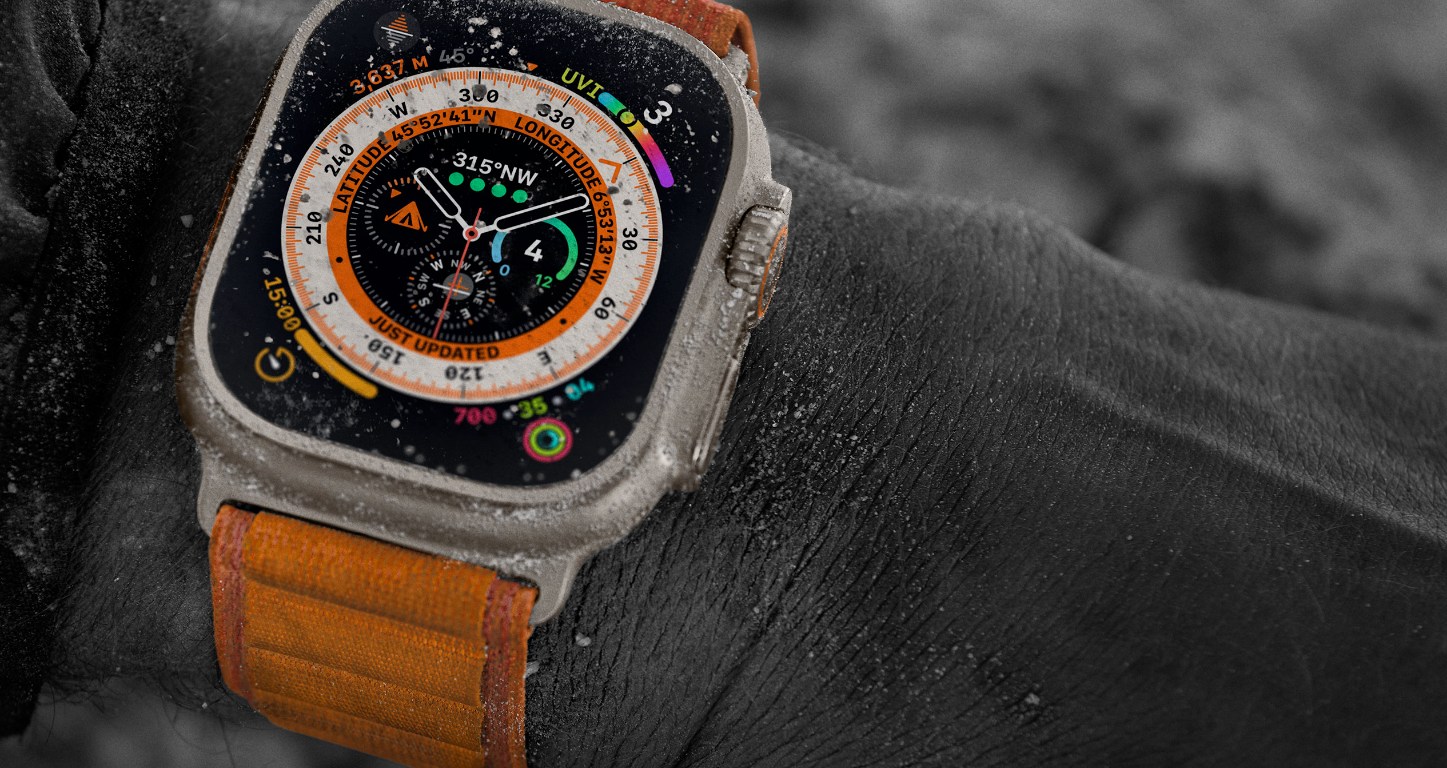
According to a recent lawsuit, the device’s oximeter struggles to accommodate various skin tones.
Apple Watch Apple Watch can be described as the most recent technology for consumers that have come to the forefront of racist biases. It is an element of a bigger tech industry problem that revolves around AIs that are racist and sexist and racist practices.
A new class action suit was filed in December. 24, by a large group consisting of New York residents and Apple users, asserts that the wearable’s blood oxygen measurement function cannot accurately reflect the differences in skin tones doing inaccurate readings for people with darker skin and perpetuating a wide racial prejudice in medicine and health.
The instrument, referred to in the medical world as an oximeter or a pulse oximeter, determines the levels of blood oxygen saturation by shining light on the skin of the person wearing the device. After that, the device can calculate the oxygen content in red blood cells by using a sequence of green, red, and infrared LEDs and light sensors.
But the measuring method has long been regarded as insufficient, except when the sensors are deliberately modified and closely monitored for skin tone variations. In 2020, in response to the urgent need to accurately measure the pulse and oxygen levels of people who contract COVID-19, Medical specialists (and some even virus-related TikTok accounts) made the issue the subject of the attention of the public and scientific scrutiny. Over the past 2 years, this inherent discrimination based on race has been repeatedly observed, with valid concerns for those who use the devices for home health monitoring. The lawsuit states that the patient’s records reveal “‘reliance on pulse oximetry to triage patients and adjust supplemental oxygen levels may place Black patients at increased risk for hypoxemia.'”
Apple introduced its blood oxygen measurement on the Apple Watch Series 6 at the end of September 2020. It coincided with an increase worldwide in purchases of handheld pulse oximeters that grew into the billion-dollar market in 2021. The most recent version of the watch currently costs between $400 and $800, a “premium price” that, according to the suit, is based on exclusive features such as the blood oxygen measurement tool. The lawsuit argues that since these tests aren’t working for everyone, the purchase of these watches amounts to fraud.
When the oximeter that is based on watches was first introduced in 2013, the company announced that it was also planning to use the device to create an information set for an investigation regarding COVID-19 and the detection of influenza and collaboration with the Seattle Flu Study at the Brotman Baty Institute for Precision Medicine and the University of Washington School of Medicine. The study will use the latest blood oxygen measurement and the heart rate monitor to examine how similar tools can detect respiratory issues.
The Apple Watch and iPhone’s health tools have been a draw for many iPhone and Apple Watch users who prefer to incorporate all their health needs into one digital hub. However, the iOS health tools have yet to make it into the Apple range of features without criticism.
In 2019, when it unveiled the latest collection of health-related tools available for Apple Watch Series 4, Apple Watch Series 4, the company claimed that it was aiming to become”the “ultimate guardian of your health.” In a Mashable interview that year, medical professionals advised users that the device was just a “cool tool” and not an instrument for medical use, and expressed concerns that the volume of information (which was provided with no medical significance) would not be beneficial to users or doctors. It wasn’t an FDA-approved product at the time when it was launched. However, it has since been approved by the federal agency for specific features, including the ECG (electrocardiogram) instrument.
In 2022, the recently introduced fertility tracking tool was also the subject of caution by privacy specialists who are cautious about companies that monitor fertility health after the Roe period.
With these complex concerns about privacy, data tracking that is invasive and claims of a racial bias added to Apple’s health monitoring system; Apple may be losing some customers’ trust and security. Beyond this dynamic between the company and consumer, the oximeter issues with the Apple Watch problems shine a spotlight on a topic of racial discrimination that is ingrained into areas many consider to be neutral in terms of politics, like the field of medicine and its algorithms for assessing data. This announcement should spur people to think about how whole industries, not just the products made with one type of user in mind. That can lead to dangerous consequences for life.
 K News