

If the light is reflected off Tanzanite and you are amazed by the beauty. Reflecting off the stone across all directions, the Tanzanite stone is part magical and mysterious. The shimmer combined and the blue-blue hue are amazing.
There’s a lot of profundities when it comes to Tanzanite. Beyond the rich and deep colors, breathtaking cuts, and distinctive shape, it has profound healing properties and metaphysical qualities. It is believed to cleanse any negative karma, beliefs, or thought patterns. It promotes reconnection for everyone who has it.
What is Tanzanite
Tanzanite is the most commonly used name for the Blue-Violet Zoisite rock. It’s the sole blue-violet member of the mineral family zoisite.
While it is one of the rarest gemstones on Earth and has scarce availability, Tanzanite is still only classified as semi-precious. In many cases, Tanzanite is considered the most stunning of all blue stones.
Tanzanite is among the more expensive healing metaphysical crystals. Energy healers are believed to use Tanzanite to increase psychic abilities and aid in connecting to higher levels of consciousness. They enhance discipline and aid in achieving your goals.
The price of Tanzanite varies widely. It was not until recently that an established method of grading the gemstone was selected. A consensus-based system was installed and sorted by dominant color (blue or violet) before grading based on the cut clarity, clarity, and carat. Prices vary from $100 to $1,500 for a carat.
The power of Tanzanite is yet to be explored and harnessed. The real potential of this future crystal has yet to be fully understood.
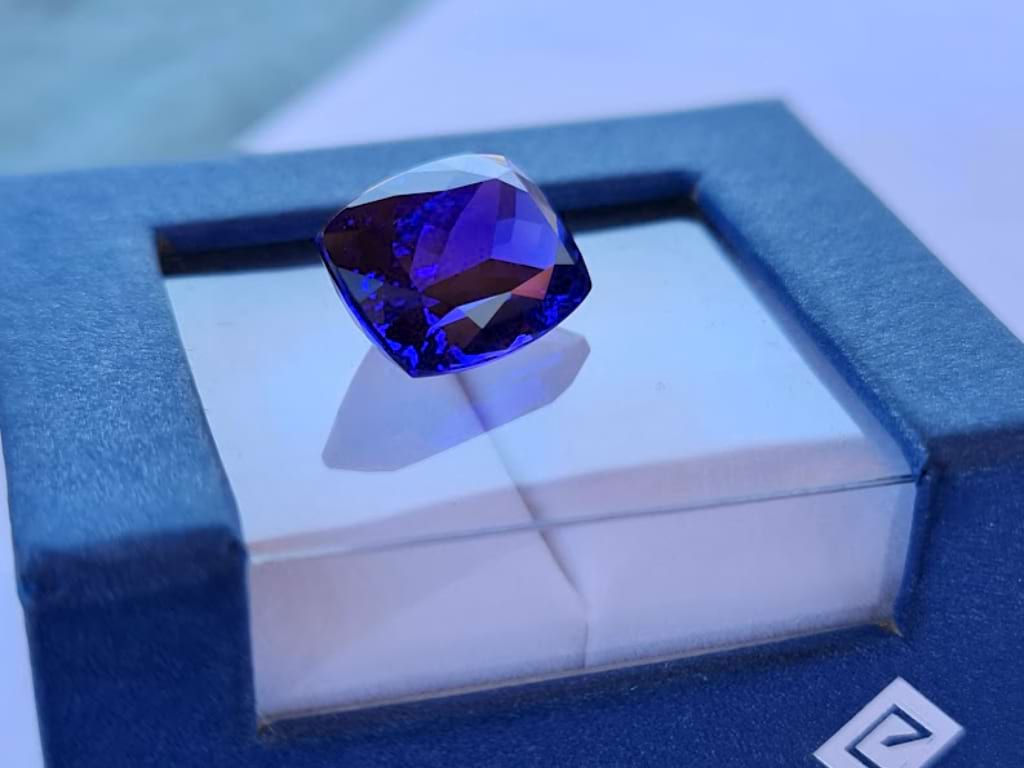
What exactly does Tanzanite look like?
Tanzanite is one of the stones with a stunning beauty that you could easily be lost in.
Suppose small amounts of vanadium and titanium are present in zoisite—the brown-hued stone changes to violet and blue. The hues will vary based on the quantities and proportions of the elements present in the gem structure and composition.
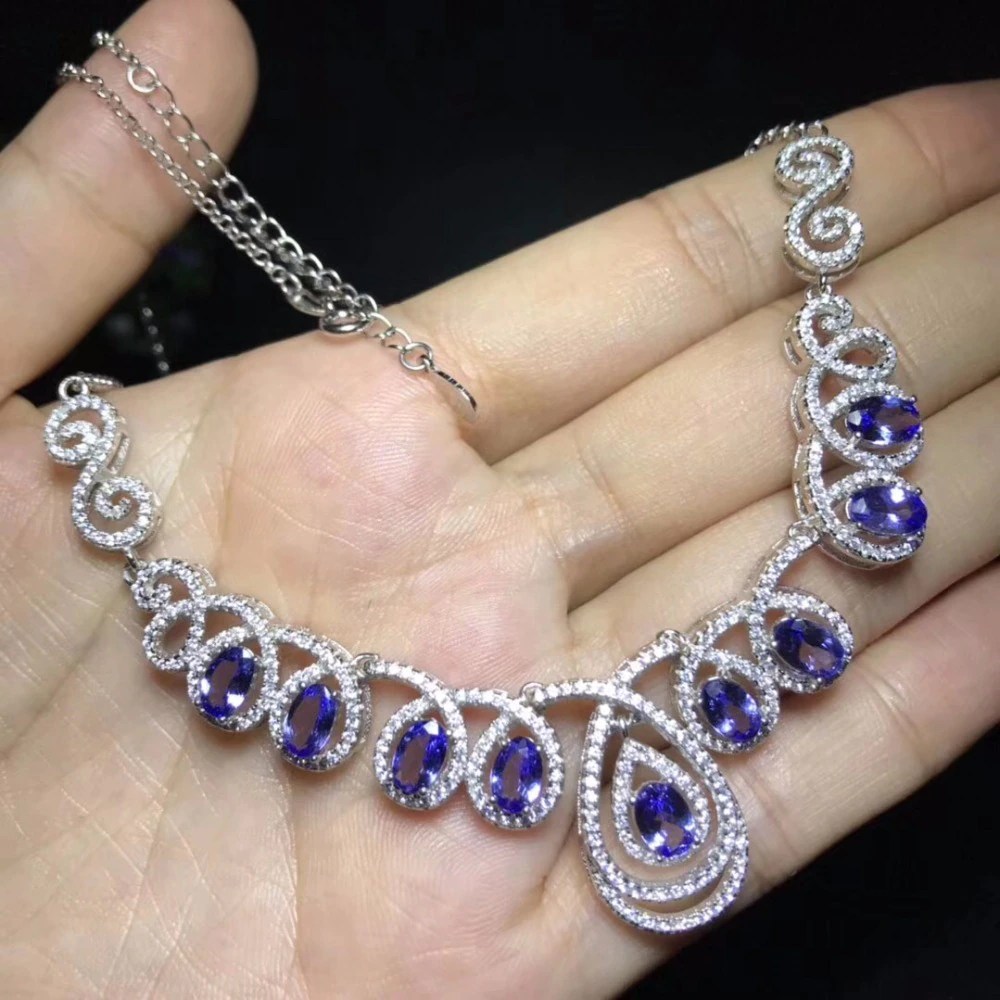
Because Tanzanite is scarcer in higher carat quantities, you’ll see it on smaller jewelry pieces like a pendant or a ring. Sometimes, it’s utilized as a cheaper option to blue sapphire. When the jewelry strikes it, it reflects the sun’s rays onto the stone for everyone to see.
The color of the natural Tanzanite gemstone is brown. However, when you examine the stone, it’s possible to see purple, blue, and brown. The intensity and hue of each hue will depend on the degree of heat it receives.
Tanzanite is heated by nature or with machines. Heating results in the valence to exchange, eliminating the brown hue. This lets out the natural violet and blue shades and intensifies them dramatically.
After cutting, the light will reveal vivid colors by reflecting across various directions and showing Tanzanite’s deep blue shimmer.
The story of the Tanzanite stone
Legend has it that the tale of Massai warriors were guiding their animals when they spotted Tanzanites on the soil’s surface. When they discovered the gem, they informed local prospectors, who then applied to remove Tanzanite from the claims.
Tanzanite was recognized as a brand-new gemstone in the latter half of the 1960s, which made it a stunningly modern gem. Once it was discovered and its stunning beauty was shown worldwide, the mining process began rapidly.
Tiffany & Co. branded the blue-violet-zoisite stone “Tanzanite.”. They believed the stone’s name, Blue-Violet Zoisite, had a negative reputation and needed a new name, encapsulating the only place it was discovered–Tanzania. After it was found, Tiffany owned the largest rights to distribution and sold the stone worldwide, displaying it in beautiful one-of-a-kind jewelry pieces.
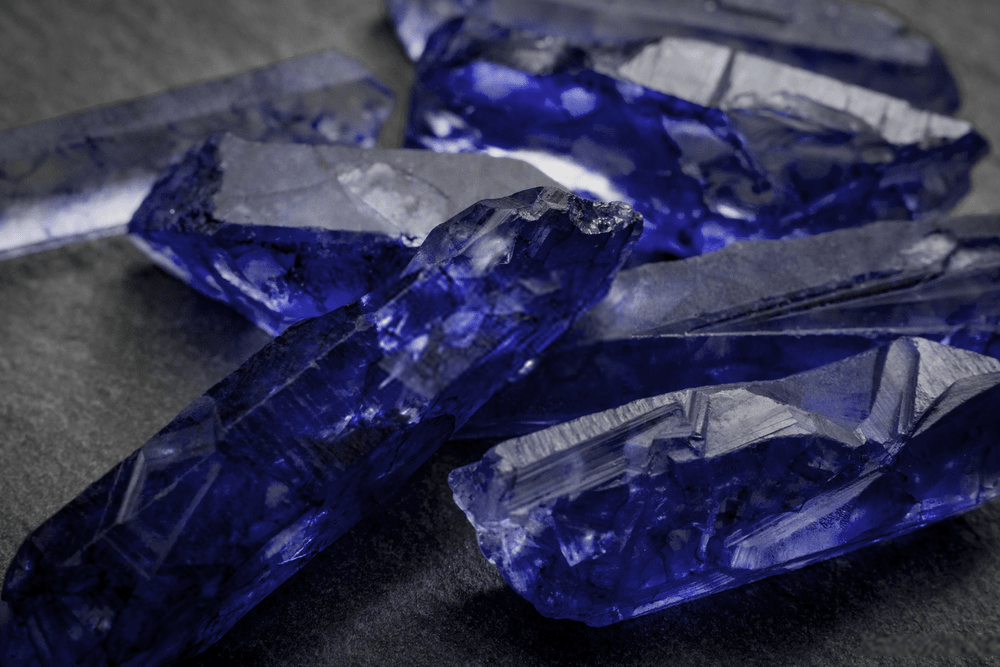
The meaning and significance of Tanzanite stone
Like other stunning stones, Tanzanite is a metaphysical gem with various signs and healing qualities, notably the ability to sense. It is believed to aid in feeling nourished and bring out deeply felt emotions. Once you’ve addressed them and released them, you’ll be able to get back to your intuition by letting go of any negative energy and purifying your heart.
Tanzanite does not only cover all the implications of zoisites, but it also has some distinct significances. Connecting with your thoughts and those of others lets you sync up and connect with the people you cherish.
Where did Tanzanite originate from?
Tanzanite is located in a small park in Northern Tanzania, and the dimensions are approximately 4.3 miles long and two miles across. Finding such a tiny area in a single country makes mining very controlled and controlled.
More than 500 million years ago, two plates of tectonics came into contact and created Tanzanite under tremendous pressure. The two plates of tectonics comprise Mount Kilimanjaro, the 5858m tall mountain. The conditions for formation are so difficult to find that Tanzanite is considered a thousand times rarer than diamonds.
The area is secured to monitor the extraction of gems. At first, Tanzanite was discovered on the surface. After lengthy prospecting, miners had to dig underground to carry on their explorations. Currently, mines must be at least 1000m to locate new deposits.
With a limited prospecting area and the increasing pace of mining activity, exploration is predicted to end in the next 30 years.
Which zodiac signs are Tanzanite for?
The birthstone of November and Sagittarius can be described as Tanzanite. Sagittarius is known as a lover who is loyal and has integrity. Wearing a piece of Tanzanite jewelry is believed to help break the cycle of old habits, which allows the Sagittarius to progress.
Who is the family of Tanzanite from?
Tanzanite is a mineral belonging to the zoisite family. Zoisite is one of the classifications of gems that last existed for that long in the past few hundred years. Zoisite is available in various colors, including yellow, pink, red, and gray. Blue zoisites are all considered Tanzanite.
Many frequently asked questions about the tanzanites
Is Tanzanite a costly stone?
Yes, Tanzanite is a costly stone. The average cost of the Tanzanite gemstone ranges between $100-$1,500 per carat. The prices can vary based on the predominant cut, color clarity, cut, and carat. A semi-precious gemstone that is gorgeous to behold, Tanzanite is limited in availability, which increases its worth.
What’s Tanzanite worth?
Tanzanite can be valued between $1,500 and $100 per carat. Because of the stone’s rarity, experts claim it is undervalued. Many people believe the current prices may be an enormous discount from the real value.
What’s so unique about Tanzanite?
Tanzanite is extremely rare and only found in one place, Tanzania. The stones typically display the stunning ‘trichroism’ effect. It is possible to see the blue, brown, and violet shades throughout the stone. This is a distinct characteristic of gemstones.
Is Tanzanite a real diamond?
Diamonds and Tanzanite are two different stones. They have distinct chemical structures and are quite different in their appearance.
 K News