

If you have to spend much of your time contemplating the health of your scalp, hair, and scalp health, then you’ve likely encountered the term “Trichologist. Suppose you’re suffering due to hair loss breakage, alopecia, or thinning hair, or you are just concerned about the health of your scalp or hair. You might have considered consulting with an experienced professional.
Do you need to see an ophthalmologist or a dermatologist to treat your hair concerns? What is a trichologist’s job, and why is that? We’ve got the answers to help you decide if scheduling appointments with a specialist is right for you and your particular situation. Also, find out more about the best products that can be used to fight hair loss naturally.
What Is a Trichologist?
A specialist in trichology is a trained professional specializing in treating hair loss. Trichology encompasses the study of ailments that affect hair and scalp, including medical conditions which may be related to this particular area. Trichologists examine the scalp and hair of humans using the lens of biology and chemistry, understanding how healthy hair growth functions at both a chemical and mechanical level. The essence of trichology is the study of hair and all of the disorders that arise from it, including the most frequent loss of hair.
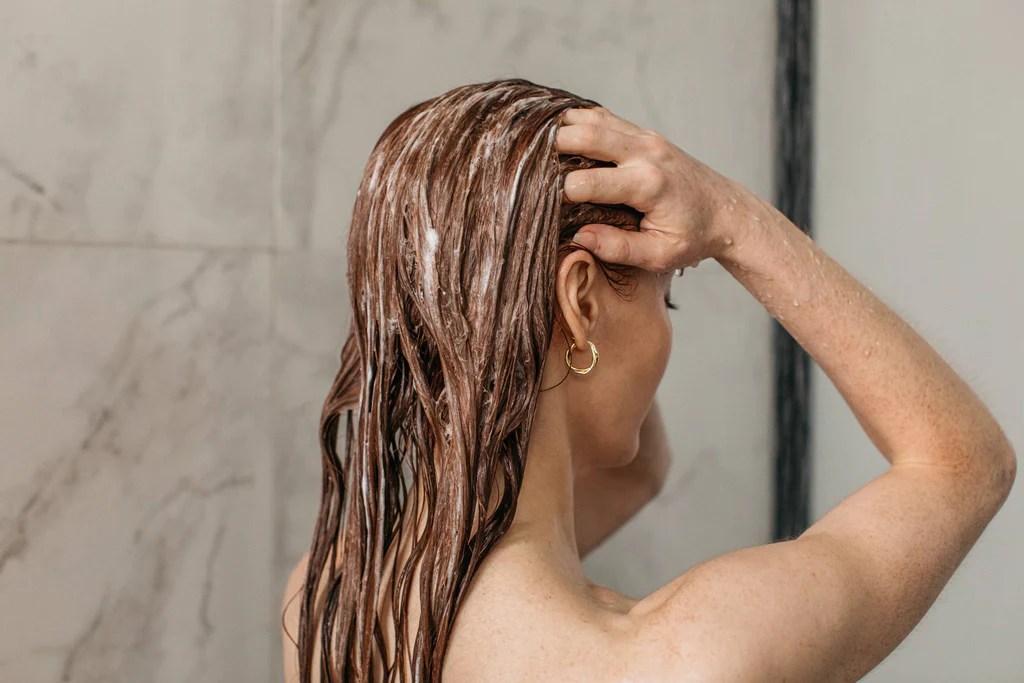
Trichologists are professional experts whose experience in hair health and wellness aids them in diagnosing and treatment of scalp and hair conditions like hair loss. Trichologists also conduct studies on products for hair that you could buy or use on you at a salon or salon. They’re aware of everything you need to know about hair and the cycle of growth of hair, and the way that hair health functions at a global level, starting from the outside inside. They’ll assist you in understanding the whole picture of your hair’s health and devise the right treatment plan to give it the nutrition it requires to grow.
Dermatologists vs. Trichologists: Which Should You See?
You might think the work is a trichologist’s job sounds like dermatology. How is this different? There is a certain similarity between dermatology and trichology; the distinction lies in the degree of expertise. The term dermatologist refers to a specialist who is specialized in dermatology. That is, they will be knowledgeable about treating all conditions that affect the skin, hair follicles, nails, and scalp. Suppose you’re looking for an initial consultation about an issue with your hair or scalp or would like to refer a patient to an esthetic surgeon. In that case, A dermatologist is the best place to begin, particularly since you might already have an experienced dermatologist.
You can receive more general treatments to improve your hair and skin health through your dermatologist, like prescribed dandruff medications. Still, they will need to find a way to offer the particular solutions for hair loss that an expert trichologist could. If you want a more in-depth consultation regarding scalp and hair issues, particularly hair loss, consult an accredited trichologist. Find a trichologist by contacting the World Trichology Society. Although dermatologists have an extensive medical background in treating skin ailments, Trichologists with a degree are also experts on scalp health who can suggest the right products appropriate for your hair’s uniqueness. A dermatologist may be able to provide more generalized medical advice regarding the health of your hair and scalp; however, should it be a hair specialist you’re looking for to make an appointment, it is best to book appointments with a physician who is certified in the field of trichology.

Doctors May Also Be Trichologists, But Trichologists Aren’t Necessarily Doctors
A key distinction between a dermatologist and Trichologist is that a trichologist isn’t necessarily medically trained. A trichologist might have a background in medicine and a qualification in trichology. They will be educated in diagnosing and suggesting products to treat scalp and hair problems, including hair loss; it does not constitute an official medical qualification. In reality, you could see your local Trichologist in a salon. Although some individuals who practice trichology on their own work out of a salon, trichologists create communities of support to promote holistic hair health.
When to See a Trichologist
The majority of people will seek a trichologist if they experience any of these symptoms:
- Hair loss
- Hair breakage
- Hair loss
- Alopecia
- Dandruff
Other scalp problems
A trichologist can assist you in diagnosing the root of your issue and recommend appropriate treatment options to improve the condition of your scalp and hair. But you don’t need to suffer from hair loss, scalp problems, or another state to see an expert trichologist certified by a specialized body. Trichology is available to everyone.
You can seek an appointment with a trichologist to prevent any future issues with your scalp and hair. It is also possible to have a consultation with a professional who is qualified so that they can suggest the most suitable treatments or products for your particular hair and scalp or aid in limiting hair loss. We all worry about our hair and scalp health, particularly when we get older or suffer hair loss due to environmental changes, diet, or stress. Inquiring at your local hair salon whether they’ve got a person on their staff who has completed their trichologist certification is a good place to begin.
Should You See a Trichologist?
While trichology does not constitute an official medical qualification, an experienced trichologist has more experience with issues related to hair loss than your general physician or dermatologist. While hair problems are usually medical, our relationship with our hair can also be rooted in emotional and social factors. A trained trichologist can understand the intricacies of these issues. They assist you in assessing your hair’s health and implementing healthy products and practices, such as an oil for your scalp and a massager that actively help support hair health. A trichologist will offer expert assistance and advice when you begin your path to healthier hair.
 K News